- Cape May Local Scoop
- Posts
- Beach Plum Farm: The West Cape May Farm Powering the Town’s Farm-to-Table Dining Scene
Beach Plum Farm: The West Cape May Farm Powering the Town’s Farm-to-Table Dining Scene
Issue #627

In partnership with


Tech moves fast, but you're still playing catch-up?
That's exactly why 200K+ engineers working at Google, Meta, and Apple read The Code twice a week.
Here's what you get:
Curated tech news that shapes your career - Filtered from thousands of sources so you know what's coming 6 months early.
Practical resources you can use immediately - Real tutorials and tools that solve actual engineering problems.
Research papers and insights decoded - We break down complex tech so you understand what matters.
All delivered twice a week in just 2 short emails.
In This Cape May Local Scoop Issue…
📆 Cape May Events
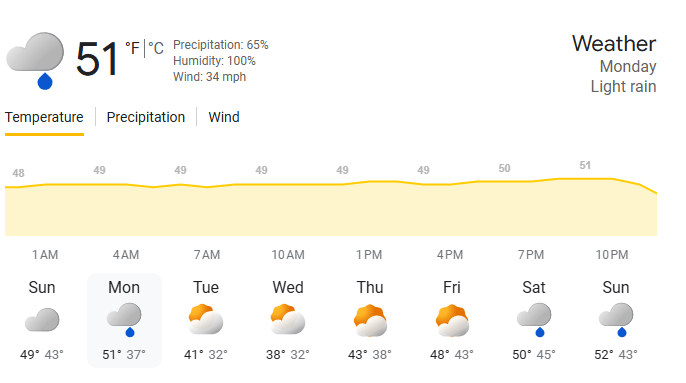
☀️ Cape May Local Weather
🍀 Beach Plum Farm: The West Cape May Farm Powering the Town’s Farm-to-Table Dining Scene
🏃Residents May See Smoke as NJ Crews Carry Out Planned Forest Burns
🔥𓇋Smart Boating in: Protecting Your Vessel on Coastal Waters
Cape May Local Scoop’s Events Are Sponsored By: Shop Local


👇 Here’s what’s going on in the Cape May Local Area👇
March 16
Cape May Zoo - 10:00 am - 3:30 pm
Storytime - 10:00 am - 10:30 am
St. Patrick’s Weekend Celebration at Willow Creek - 11:30 am - 7:00 pm
Emlen Physick Estate Tour- 12:30 pm - 1:15 pm
Whale & Dolphin Watching -1:00 pm - 4:00 pm
Beginner Photography - Learn Your Camera. Instructed by Kathy Libby - 1:30pm - 3:00pm
Gregg Carpenter at the Mad Batter - 5:30 pm - 8:30 pm
Trivia at Nauti Spirits Distillery- 6:00 pm - 8:00 pm
March 17
Total Body Chair Yoga - instructed by Jerry Loewe - 9:30 am - 10:30 am
Cape May Zoo - 10:00 am - 3:30 pm
Storytime @ Upper Cape Library - 10:00 am - 10:45 am
Jersey Cape Writers - Writing Group - 10:00 am - 12:00 pm
Physick Estate Tour- 12:30 pm - 1:15 pm
Line Dancing - Instructed by Cathy Cashmere - 5:00 pm - 6:30 pm
From Idea to Author: A Fast-Track Guide to Your First Self-Published Book - 5:00 pm - 6:30 pm
Andy Reeves at the Mad Batter - 6:00 pm - 9:00 pm
March 18
Cape May Zoo - 10:00 am - 3:30 pm
Miss Anita's Storytime -10:30 am - 11:30 am
Tai Chi & Qigong - With Cheryl Crews - 10:00 am - 11:30 am
Classic American Tales presents: Margaret’s Diary During a Revolution - 12:00 pm - 2:00 pm
Emlen Physick Estate Tour- 12:30 pm - 1:15 pm
Zumba - Instructed by Janet Spada @ SI Library - 6:00 pm - 7:00 pm
Jon Katity at the Mad Batter - 6:00 pm - 9:00 pm
March 19
Cape May Zoo - 10:00 am - 3:30 pm
WHPH Dance Fitness - with Kelsy Wise - 9:30 am - 10:30 am
Al-Anon Meeting - Brought to us by Al-Anon Family Groups -11:00 am - 12:00 pm
Emlen Physick Estate Tour- 12:30 pm - 1:15 pm
Intro to Sahaja Yoga Meditation - Instructed by Karen Manette Bosna -1:30 pm - 2:30 pm
LEGO @ the Library - Play, Think, Build, & Share! - 3:30 pm - 4:30 pm
Thursday Night Trivia - 6:00 pm - 8:00 pm
Mike Flanigan at the Mad Batter - 6:00 pm - 9:00 pm
Symposium and Open Mic at Nauti Spirits Distillery - 6:30 pm - 9:30 pm
March 20
Cape May Zoo - 10:00 am - 3:30 pm
Cape May Lighthouse - 12:00 pm - 3:00 pm
Classic Game Fridays - 1:00 pm - 3:00 pm
Historic District Trolley Tour - 1:00 pm - 1:45 pm
Conversational Lenape Language - Instructed by Teri Hislop - 1:30 pm - 2:30 pm
Emlen Physick Estate Tour- 1:45 pm - 2:30 pm
Open Mic Night – Cold Spring Brewery - 5:30 pm - 8:00 pm
Nick Szelagowski at Nauti Spirits Distillery - 6:00 pm - 9:00 pm
Weird Spirits at the Mad Batter - 7:00 am - 10:00 pm
Live Music at the Ugly Mug - 8:00 pm - 11:00 pm
OUR NEW EVENT SUBMISSION FORM
Have an Upcoming Event?

The News Source 2.3 Million Americans Trust More Than CNN

Tired of spin? The Flyover delivers fast, fact-focused news across politics, business, sports, and more — free every morning. No agenda. No paywall. Join 2.3 million readers who trust us to start their day right.

Beach Plum Farm: The West Cape May Farm Powering the Town’s Farm-to-Table Dining Scene

Beach Plum Farm in West Cape May, New Jersey, has become a central force behind the region’s thriving farm-to-table dining culture. Established in 2007, the 62-acre working farm produces a wide range of fresh ingredients that supply several of Cape May’s most well-known restaurants. By growing more than 100 varieties of fruits, vegetables, herbs, and flowers, the farm provides chefs with a constantly changing selection of seasonal ingredients, often harvested just hours before they are used in restaurant kitchens. Two restaurants that strongly reflect this connection are The Ebbitt Room and The Blue Pig Tavern, both of which incorporate produce from the farm into their menus. The close relationship between the farm and these kitchens allows chefs to design dishes around what is currently being harvested, creating meals that highlight the freshest local flavors and ingredients. Beyond supplying restaurants, Beach Plum Farm also welcomes visitors who want to experience the property firsthand. Guests can browse the on-site market filled with farm produce, locally sourced meats, jams, sauces, and specialty pantry items. The farm kitchen offers breakfast and lunch made with ingredients gathered directly from the fields and gardens, allowing diners to enjoy meals just steps from where the food was grown. Seasonal events are another major attraction at the farm. Throughout the year, special culinary gatherings and harvest dinners showcase the farm’s produce in a relaxed outdoor setting. These events bring together food, community, and the natural environment, creating memorable experiences centered around seasonal ingredients. Visitors can also explore the farm’s gardens, wooded paths, and animal areas. Free-range chickens, pigs, flower gardens, and carefully arranged herb beds make the property both scenic and interactive, especially for families and children. With activities and experiences changing throughout the seasons—from spring gardens and summer harvests to fall celebrations and winter holiday events—Beach Plum Farm offers something year-round. Its combination of agriculture, dining, and visitor experiences has made it one of Cape May’s most distinctive destinations and an important contributor to the area’s local food culture.
Residents May See Smoke as NJ Crews Carry Out Planned Forest Burns

You may have noticed, the New Jersey Forest Fire Service conducted prescribed burns yesterday in Burlington, Cape May, Gloucester, Monmouth, and Ocean counties. These controlled fires help reduce forest fuel buildup, lowering the risk of large wildfires. Prescribed burns also benefit ecosystems by improving wildlife habitats, reducing insects and ticks, and returning nutrients to the soil. Residents may see smoke during the operations and can check the state’s prescribed fire notification map for updates. In New Jersey, most prescribed burning typically takes place between February and early April, when weather conditions allow crews to safely manage the fires before peak wildfire season begins. Residents can check the Forest Fire Service Prescribed Fire Notifications map for updates on active and upcoming burns. Because the operations depend heavily on weather and wind conditions, schedules may change.
Smart Boating in: Protecting Your Vessel on Coastal Waters

Boating along the Jersey Shore remains a central part of coastal life, but operating in saltwater environments requires a more strategic approach than inland boating. In 2026, smart boat ownership focuses on blending advanced marine technology with disciplined, preventive maintenance to ensure safety, performance, and long-term value. Modern marine electronics have significantly improved navigation and fish-finding capabilities. Systems now integrate GPS mapping, sonar imaging, and real-time environmental data to provide boaters with greater precision on the water. A key component of these systems is the transducer, which converts electrical signals into sound waves to deliver accurate depth readings and underwater imaging. Selecting the proper transducer for a vessel’s hull type and usage needs — whether through-hull, transom-mounted, or in-hull — is critical for reliable performance, particularly in coastal areas where sandbars shift and tidal channels change. At the same time, saltwater presents ongoing challenges. Salt deposits can accumulate on hulls, engines, railings, and wiring, accelerating corrosion and degrading finishes. Without regular cleaning and freshwater rinsing, minor buildup can lead to expensive repairs. Maintaining a clean hull also improves fuel efficiency by reducing drag caused by marine growth and residue. Seasonal boating patterns along the shore introduce additional maintenance considerations. Boats that sit idle during colder months are susceptible to battery issues, moisture accumulation, and fuel system problems. Electronics must be properly winterized and inspected before spring relaunch. Establishing a seasonal checklist — including recommissioning in spring, inspections during peak season, and winterization in fall — helps prevent mid-season breakdowns. Beyond performance and safety, consistent upkeep protects resale value. Prospective buyers often evaluate corrosion levels, wiring condition, and service records. A well-maintained vessel with updated electronics and documented care stands out in competitive markets. Ultimately, smart boating in coastal waters means viewing the vessel as a complete system. Reliable sonar, corrosion prevention, hull maintenance, and seasonal preparation work together to reduce stress and enhance enjoyment. With proper planning and care, Jersey Shore boaters can focus less on mechanical concerns and more on the experiences that define life on the water.
What nickname is often associated with Cape May due to its architectural and historical significance? |
Answer to the March 15th Trivia Question
What makes Congress Hall, a historic hotel in Cape May, especially significant in American history?
A) It was the first hotel in the U.S. to have an elevator.
B) It served as the summer White House for President Benjamin Harrison.
C) It was the site of the first U.S. national political convention.
D) It was originally built as a private mansion before becoming a hotel.
Answer: B) It served as the summer White House for President Benjamin Harrison
Congress Hall, built in 1816, is one of the oldest seaside hotels in America and served as the summer White House for President Benjamin Harrison during his administration...
How Did We Do In This Issue?Cape May Local Scoop Wants To Know Your Thoughts About Our Newsletter... |